
PBS’ Escaping Eritrea documentary was just as horrifying as expected. The scarring footage of over-packed prisoners trapped, all squeaked into a small, intoxicating space. As they lay down to sleep, one can be unsure if these men are still with us, let alone the mental strains they sleep with. When were these images captured? 1500s enslaved Africans in slave ships to the America’s? Holocaust victims during the Second World War? Or Armenian victims in the early twentieth century? Nope, nope, nope. Perhaps they are archives remaining from the Italian colonial era, led by the fascist Mussolini in the late 19th century?
“I know, I know… it’s got to be the Dergi days! Mengistu was a wild one.”
Nope.
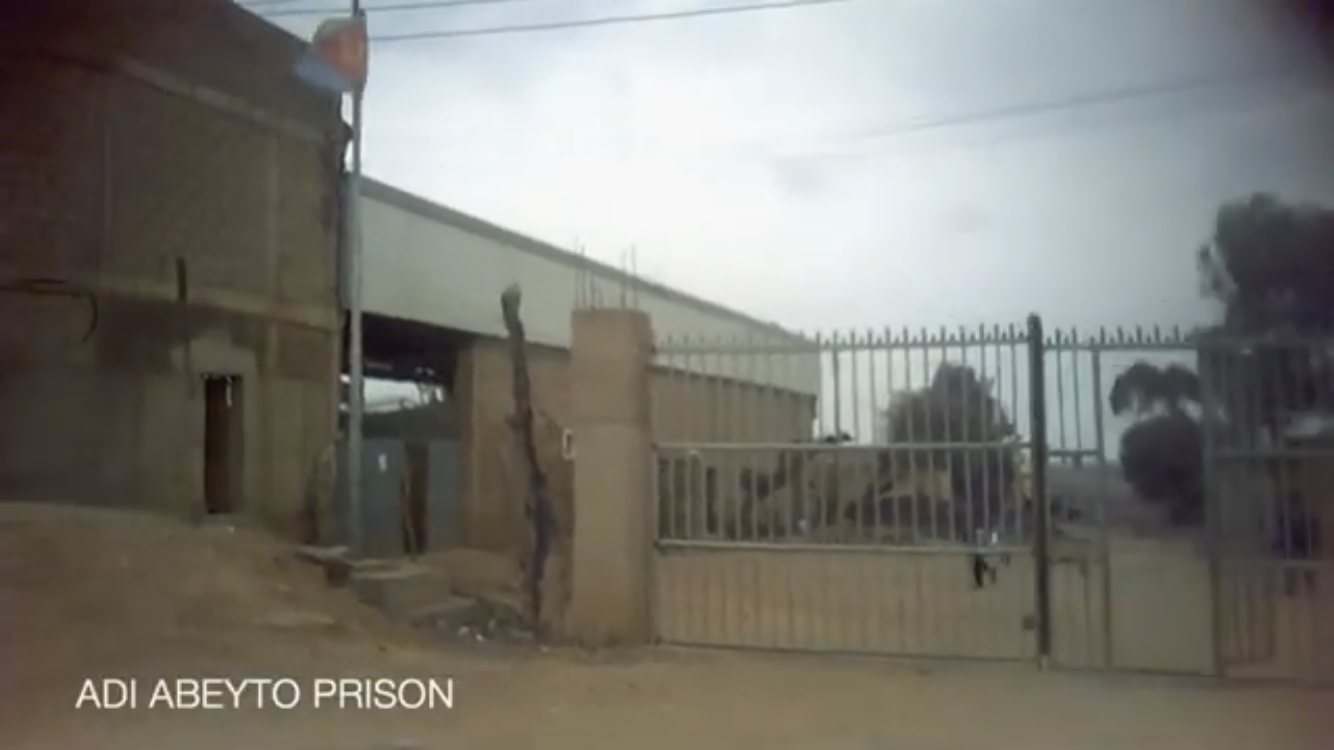
Adi Abeyto, Eritrea in 2021. Our #EritreaAt30!
Just 8km from Eritrea’s capital, roughly a 20 minute drive. That’s close enough to terrorize Asmara’s residents and the surrounding villages into a deafening silence yet far enough to remain out of the public eye. Our “Tekalahali tanki” (defender of the tanks) at his best!
The footage was scarring for the viewers but intolerable for the survivors. According to Amnesty International, Adi Abeyto prison has space for a maximum 800 inmates yet holds up to 2,500. That’s over triple its capacity. Prisoners are tortured, trapped and squashed with not a day in court or even real knowledge of their alleged crimes. Condemned to a life of terror, uncertainty and pushed to utter submission.
One can see the insidious and sadistic nature of the system that has dehumanised, demoralised and destroyed the basic norms and social fabric of the nation. Or as an Eritrean once said, “sucked the life out of Eritreans.” Where life has no meaning or value. The lack of accountability and rule of law for decades has allowed such barbarism to grow and be just a little something that happens for our “national security.”
Endless testimonies
We heard horrifying first-hand accounts of gross human rights abuses including, physical and psychological torture, rape, sexual exploitation and enslavement from Eritrean survivors. They included former forced conscripts, prisoners and prison guards in Addis Ababa and of course “Michael” the brave former prisoner that recorded the video footage in the notorious Adi Abeyto prison. Their accounts, of course, were not new but its 54 minute length, including video footage to back up their lived experiences and trauma was gut-wrenching to view much-less live through.
The collective solution
Back to the title of the documentary: ‘Escaping Eritrea.’
Years ago Eritrea’s popular Film director- and one of many late artists- Isaias Tsegay had a TV series called “Guya” (Running) aired in Eritrea’s only TV channel, Eri TV. How it managed to pass the censors of the only (President’s) office in the country is pretty profound. But it did and the public watched. Over a decade old, it depicted the growing culture in society, particularly among the youth. The culture of giving up hope of any change in the country. Risking being captured, tortured and killed before crossing into neighbouring Sudan or Ethiopia. Once successfully crossed, the risks continue; from human trafficking, organs stolen to drowning in the Mediterranean Sea. The lack of hope for any change or solution systematically designed by Eritrea’s finest engineer and the crippling fear instilled has led to a gradual and lethal culture of fleeing the country.
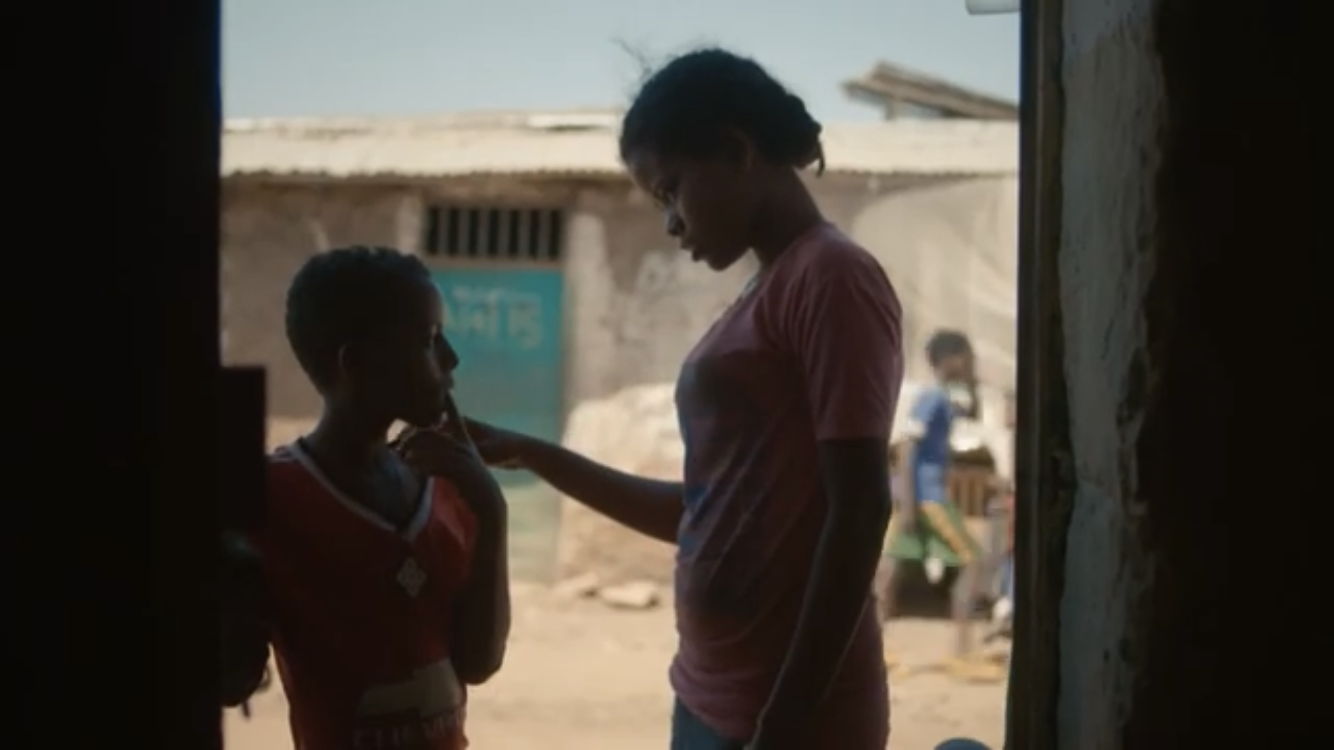
The tragedies continued, including Lampedusa that saw 369 Eritreans drown in the Mediterranean Sea, in their attempt to enter Europe. As thousands continued to flee, the international community’s reaction was at best naive and at worst, short-sighted or ice cold.
Back from the cold
’Time to bring Eritrea in from the cold’, once declared the former American Assistant Secretary of State for Africa, Herman Cohen (@CohenOnAfrica). Cohen’s ‘African Arguments’ article was published in 2013, at the height of Eritrea’s refugee exodus. Just two months after the Lampedusa tragedy that saw over three hundred Eritrean refugees drown in Italy’s Lampedusa. The Eritrean youth on that boat were indeed fleeing from the same regime Cohen and supporters of “Bring back Eritrea Isaias from the cold” were advocating for. Cohen and friends knew the root cause of the exodus more than most and yet chose to turn a blind eye.
To add insult to injury, Cohen’s brilliant article was published 12 months after US citizen Ciham Ali Abdu was kidnapped at the age of 15 from the brutal “President” himself. Ciham, a teenage girl and student of Scuola Italiana Di Asmara was not spared by her captors or effectively advocated for by American diplomats. She still finds herself in one of the many prisons in Eritrea today.
Now in 2021 Cohen, Bronwyn Bruton (We’ll get to her next time) and others gwyla away from Yemane Gebreab and the whole gang. But who needs these old buggers when more “Friends of Eritrea” (and the horn), like rising star Jeffery Pearce (@jeffpropulsion) continue to shine on Twitter. Our “new blood!”
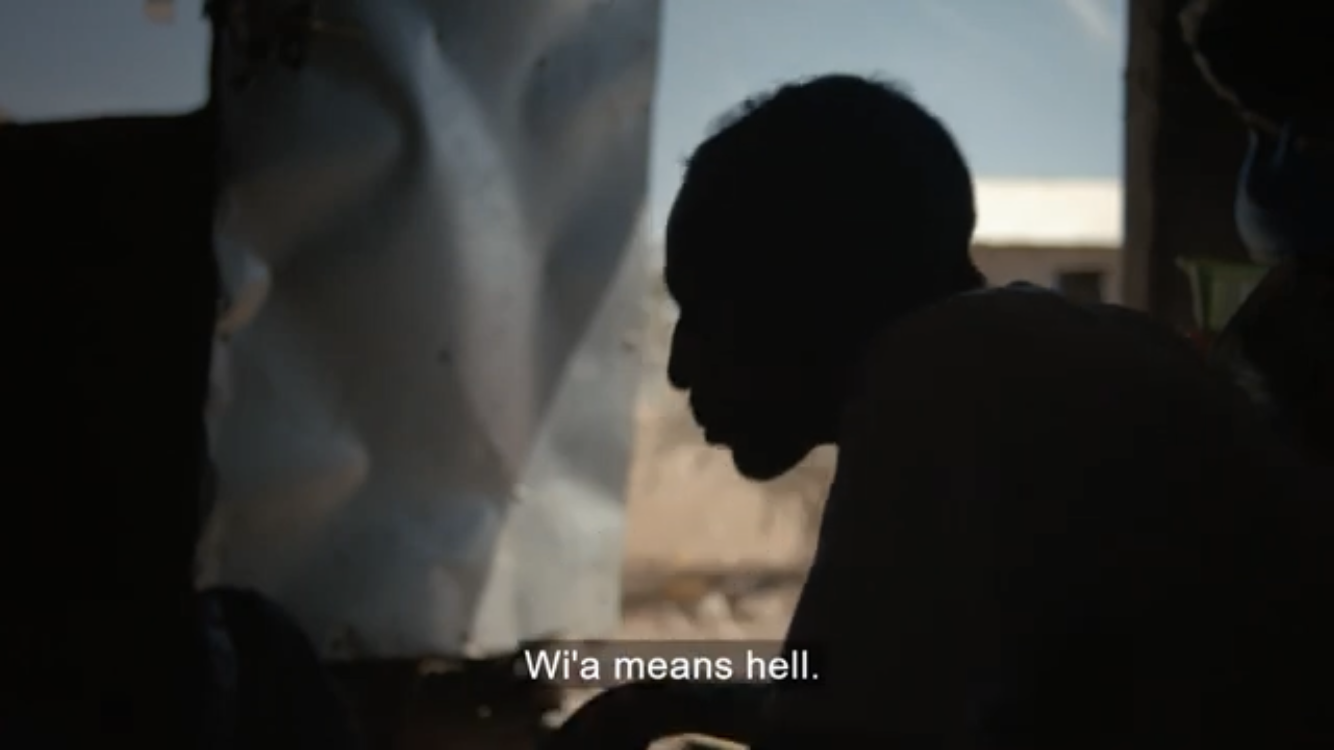
As President of 30 years (and dare I say, Abiy Ahmed’s “partner in peace”) Isaias was brought back from the cold, Eritreans have been trapped in the piping hot Wi’a for decades.
Yesterday’s news
The PBS Documentary exposes the systematic human rights abuses in the country but the actual video footage of prisoners was what made this rare. What we saw stood out from years of reports, testimonies, letters and protests. “It’s the first time we have seen this captured in video”, declared a long-term human rights advocate. In this digital age of social media and selfies, the visual imagery of an overcrowded prison in Adi Abeyto was what we lacked.
As the barbarism of Eritrea’s prisons and the perpetrators of crimes against humanity cross the border to Tigray and other parts of Ethiopia, the international community cannot afford to wonder, how we got here.
In a time where the average attention span is no longer than 2 minutes and where “yesterday’s news is today’s fish and chip paper”, the international community are looking in absolute shock and disgust at the level of inhumanity. Taking a look at the greasy news of the past might just be needed to eliminate the root cause. With the drama and utter chaos of the present, “yesterday’s news” can easily be forgotten.
As the international community observes current events in Tigray and the Horn of Africa at large, publishing strong statements and condemnations, they continue to ignore the greasy past.
- Let’s pretend Eritrea has not been known internationally as “Africa’s North Korea” for two decades.
- Let’s pretend the United Nation’s COI Report in Eritrea, with over 800 testimonies did not accuse the Eritrean “government” of crimes against humanity in 2016 and recommended its referral to the International Criminal Court (ICC).
- Let’s pretend the architect of crimes against humanity himself “President” Isaias Afwerki of Eritrea (and the horn) has not enslaved, physically and emotionally abused, imprisoned and systematically oppressed his own people for three decades and counting.
- Let’s pretend this same architect of crimes against humanity was not embraced by the international community and brought in from the “cold”.
- Let’s pretend the mass Eritrean exodus into Europe was not a direct result of his inhumane policies against the Eritrean youth, condemning them to a life of indefinite military service and servitude.
- Lets pretend that the barbaric organ harvesting in Egypt’s Sinai, that saw thousands of Eritreans victim to medieval torture and news flash: the ransom money was not collected in Asmara.
- Let’s pretend the same architect of crimes against humanity in Eritrea has nothing to do with the war in Tigray, the war crimes committed or the destabilization of the entire region.
As many proponents of “bring Eritrea back from the cold” patted their backs in 2018, whilst Abiy Ahmed and his “partner in peace” enjoyed their honeymoon, they abandoned the thousands in Eritrea’s gulags.
The thousands of prisoners cramped into a tiny room with no personal space to breathe, much less sleep. Eritrea’s twenty-year isolation may have been labelled “the cold” by the international community and much of the press but for Eritreans in Adi Abeyto, Wia, Era Ero, Dahlak, Sawa, Karceli, Mai Sewra, Track B and every other part of the country, it was and still is a different story. Every torture, every extrajudicial killing, every rape, every disappearance, every mysterious death, every institution destroyed, every building demolished and every plot in Tigray and across Ethiopia projected on CNN, BBC and Al Jazeera has been tried, tested and perfected on Eritreans. From underground prisoners, to beautiful villas on the outside and shipping containers. Eritrea is indeed truly blessed with some of the most innovative leaders slave owners this continent has ever seen.
 Zara Tewolde-Berhan