
Netflix’s Ugly Delicious documentary returned for its much anticipated Season 2. In a short but sweet series, David Chang returned with more diverse themes that promised viewers a rollercoaster of emotions. From new life and parenthood to the role of food on heritage, war and displacement.
We saw a perfect balance of dialogues: intimate convos with friends at homes to psychic readings at a spiritual healers’ office and vibrant markets. The series was also more inclusive and had more chefs taking a lead role, sharing their experiences and interviewing people. The list of countries was just as appealing as the food, adding to the oh-I-wanna-go-there-too list.
Let’s dive in, for a deeper look.
Kids Menu
First up. Papa Dave. That lovable friend sharing the good news of them expecting a baby. Ahhh-so-that’s-where-you’ve-been. Any irritation for the two-year wait by fans was instantly forgiven with the vulnerability and honesty of a humble Dave preparing for fatherhood as a busy chef. This too was beautifully shared with other chefs, adding to the natural quality of this season. The experiences shared included: mothers-to-be sharing society’s judgements and loneliness to nervous Dad-to-be’s expecting and excited grandmothers. An almost guidebook for parenting in the food industry if you will.
Chang’s heartbreaking mention of Anthony Bourdain’s tragic death during the same time of finding out he was expecting a child was still raw. This episode was indeed more than just food – or in Chang’s case, work. It was the simplicity and beauty of life, family and gratitude. A truly humbling experience, where Chang and all the chefs sharing their experiences were grounded and grateful

“Don’t call it Curry”
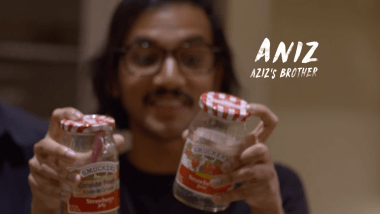
Curry- that we later learn- is “not Indian”, a generalised term used by the British in the 1600s (but that’s another blog). Chang’s starts with a meal at comedian Aziz Ansari’s North Carolina family home, giving us great insight into how-you-really-eat-like-an-Indian. In a pre-coronavirus world, it was refreshing to see them eat using their hands, a tradition they have practiced for thousands of years. The subtle immigrant references of spices in old/90s Smukers strawberry jam jars was hilarious.
The episode’s discovery of how far curry has travelled (naturally & unnaturally) from the Carribean to Europe and across Asia was intriguing. Ahhh, I see! Viewers are automatically encouraged to think, who else loves curry? Remembering Trinidad’s infamous roti, Jamaica’s goat curry, influencing Africa, Europe and Asia. Though I must say they forgot Mama Africa. Who could forget the delicious curry cuisines across Africa brought by many Indians?
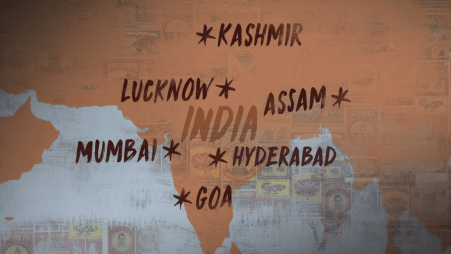
As Chang and Ansari continued with their travels, we were spoilt with a list of go-to places. From Mumbai’s The Bombay Canteen, late night street food at Bademiya and New York’s The Bombay Bread Bar. Some gleefully taking notes along the way.
Not to mention the talented chefs and food writers to follow on social media.
Thanks
The episode goes on to highlight the origins of the growing global health and well-being trend witnessed today. All triggered by India’s two big pop culture moments. The Beatles’ 1968 trip to India and Madonna’s public embrace for yoga on Oprah’s TV show. We are given great insight into the growing yoga and spirituality trend from the Indian perspective. From cultural appropriation to taking the Indian out of their ingredients, recipes and spiritual practices. Their views were crystal clear and no doubt thought-provoking.
David Chang and Aziz Ansari’s conversation with an Ayurvedic doctor was a personal favourite. Their opposing views -Chang’s reluctance to believe in the healers reading and Ansari’s ease with it was typical. The doctor’s views on food and spirituality and theory on coconut oil was particularly interesting: We’ll give it a try.
Le Steak
And onto the carnival.
For the meat and movie lovers. The episode starts with that Ugly Delicious style to excite viewers. We are shown all the popular culture references to steak: The Simpsons, Lady Gaga, Southpark, Johnny English, Pulp Fiction, YouTuber’s ‘Binging with Babish’s’ take on ‘milk steak’, Gordon Ramsey and Rambo.
The chefs go on to discuss the rare vs well-done (and-everything-in between) debate.
We immediately see steaks from the chef’s view:
“You know what kind of person it is by the order of food…”
Although brief (for the vegans, vegetarians and pescetarians), the episode did touch on the environmental impact of meat consumption, as well as the gender stereotypes that come with it.
Sydney’s casual fast-food steak at Macelleria breaks away from traditional western celebratory treats to a casual lunch time “bonding” at a “canteen.” But nobody mastered bonding better than the men at Detrot’s Schmitz. Steamy saunas, sensual massages, socialising and finally rewarded with a steak.
As the meat/Lahn turns
The episode explores the experience of displaced people and shows the role food plays in sustaining their culture. Similar to the previous episode we witnessed a deep discussion on displacement and its imprint on culinary history. Terms “Middle East”and “far East” created by the west were also explored, allowing the viewers to reflect. The chefs went on to reflect on the various foods in the region, grouping some of the cuisines under one umbrella. From “Lavantine” where the stables are bread, vegetables with fresh and vibrant flavours common in Turkey, Lebanon and Syria. To Iran’s rice, cooked herbs and spices, with sweet and savoury flavours. As well as the Arabian Gulf’s spicy flavours influenced by Iran and India. A great lesson for the viewers, that had me note taking (again).
“What’s Middle East exactly?… Middle of what?” and what about “far east…east to what?”
Chang travels to Istanbul and Beirut and discovers the origins of the infamous ‘Döner Kebab’ seen globally. The Lebanese and Syrian influence on Mexico was mentioned as a prime example. From Shawarma to Al Pastor. Lebanese immigrants transforming Shawarma by adopting pork that birthed Tacos Al Pastor was indeed a model for immigrants adapting and perfecting their cuisines. The story of how Doner turned into Shawarma, that turned into Tacos Al Pastor is phenomenal.
We saw the moving perspective of second generation immigrants in the US and them sustaining their cultures and traditions through food. This was even echoed by Chang adopting the “Döner” with Korean cuisine in his own restaurant.
Self-reflection, learning and humility are common themes throughout the series. Chang’s attempt to learn new foods and cultures in this series in a light and curious manner was warm and has no doubt left us wondering what foods, cultures and regions will be explored next. Although short and sweet, these trips left us yearning to know more about the foods, culture and history explored throughout the series. Unanswered questions inspire viewers to follow suit, adding to travellers bucket list (make that for 2021 though).
 Zara Tewolde-Berhan